Introduction
Hiring foreign professionals can bring specialized expertise, international experience, and leadership capabilities that help businesses grow in today’s competitive market. However, employing expatriates in Bangladesh involves much more than issuing an employment contract. Companies must comply with immigration laws, work permit regulations, tax obligations, payroll requirements, and ongoing reporting obligations.
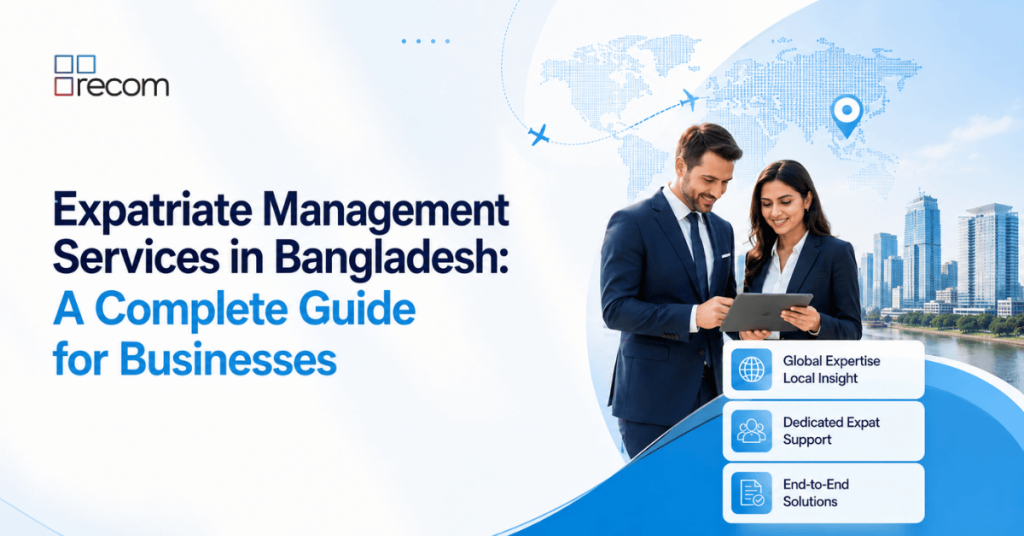
Whether you’re a multinational corporation, NGO, development organization, manufacturing company, or local enterprise expanding globally, understanding Expatriate Management Services in Bangladesh is essential for ensuring legal compliance and operational efficiency.
This comprehensive guide explains everything employers need to know about managing expatriate employees in Bangladesh—from obtaining work permits and visas to tax compliance, payroll administration, and employee relocation support.
What Is Expatriate Management?
Expatriate Management refers to the complete process of administering foreign employees throughout their employment lifecycle in Bangladesh.
It includes:
- Recruitment support
- Immigration documentation
- Government approvals
- Employment compliance
- Payroll administration
- Tax filing
- Visa renewals
- Departure formalities
Rather than managing these complex processes internally, many organizations outsource expatriate management to specialized compliance consultants to reduce administrative burden and regulatory risk.
Why Do Businesses Need Expatriate Management Services?
Hiring expatriates involves multiple government authorities, strict documentation requirements, and ongoing compliance obligations.
Professional expatriate management services help businesses:
- Reduce compliance risks
- Avoid visa and work permit delays
- Ensure legal employment
- Simplify payroll administration
- Manage expatriate taxation
- Improve employee experience
- Save administrative time
For multinational companies operating in Bangladesh, these services provide peace of mind while allowing HR teams to focus on strategic priorities.
Who Needs Expatriate Management Services?
Organizations commonly requiring expatriate management include:
- Multinational Companies (MNCs)
- Foreign Investors
- NGOs
- Development Organizations
- Embassies
- Manufacturing Companies
- Pharmaceutical Companies
- Telecom Operators
- Engineering Firms
- Construction Companies
- Energy Companies
- IT & Technology Firms
Work Permit Requirements in Bangladesh
What Is a Work Permit?
A Work Permit is official authorization allowing a foreign national to work legally in Bangladesh.
Employers generally need to obtain appropriate approvals before expatriates begin employment.
The process typically requires documentation relating to:
- Employment contract
- Educational qualifications
- Professional experience
- Passport information
- Company registrations
- Government approvals
- Supporting declarations
Proper planning helps avoid delays and compliance issues.
Employment Visa and Immigration Support
Foreign professionals generally require the appropriate visa category before entering or working in Bangladesh.
Professional immigration support may include:
- Employment Visa Processing
- Visa Recommendation
- Visa Extension
- Multiple Entry Visa Support
- Immigration Documentation
- Embassy Coordination
Maintaining valid immigration status is essential throughout the employee’s assignment.
Expatriate Payroll Management
Managing expatriate payroll is often more complex than processing local employee salaries.
Organizations must consider:
- Salary structure
- Currency arrangements
- Tax deductions
- Allowances
- Benefits
- Bonus calculations
- Payroll reporting
- Statutory deductions (where applicable)
Professional payroll management helps ensure accuracy, confidentiality, and compliance.
Tax Compliance for Expatriates
Foreign employees working in Bangladesh may have tax obligations depending on factors such as:
- Residential status
- Employment duration
- Source of income
- Employment contract
- Applicable tax laws
- Double Taxation Avoidance Agreements (DTAAs), where relevant
Employers should ensure:
- Tax registration
- Monthly tax deductions (where applicable)
- Annual return filing
- Income tax certificates
- Regulatory reporting
Early tax planning helps prevent future compliance issues.
Relocation and Onboarding Support
Relocating expatriates involves more than travel arrangements.
Many organizations provide assistance with:
- Airport reception
- Temporary accommodation
- Permanent housing
- Bank account opening
- Mobile SIM registration
- Local orientation
- Family relocation
- School recommendations
- Medical insurance coordination
A structured onboarding process helps expatriates adapt quickly to their new work environment.
Common Compliance Challenges
Many employers face challenges such as:
| Challenge | Business Impact |
| Delayed work permits | Project delays |
| Visa expiry | Legal risk |
| Payroll errors | Employee dissatisfaction |
| Tax non-compliance | Financial penalties |
| Incomplete documentation | Government complications |
| Immigration issues | Operational disruption |
Working with experienced compliance professionals minimizes these risks.
Benefits of Outsourcing Expatriate Management
Professional expatriate management providers offer:
- Faster documentation processing
- Regulatory expertise
- Reduced administrative workload
- Improved compliance
- Dedicated support
- Payroll integration
- Tax coordination
- End-to-end case management
This allows HR teams to focus on talent management instead of administrative tasks.
Why Choose Professional Expatriate Management Services?
Experienced consultants understand Bangladesh’s regulatory environment and coordinate with the relevant authorities to ensure smooth expatriate employment.
Professional support can include:
- Work Permit Assistance
- Immigration Advisory
- Visa Management
- Payroll Processing
- Tax Compliance
- Employment Documentation
- Exit Formalities
- Ongoing Regulatory Support
This integrated approach helps organizations remain compliant while providing a positive experience for expatriate employees.
Frequently Asked Questions (FAQ)
What is expatriate management?
Expatriate management is the process of managing foreign employees throughout their employment, including immigration, payroll, tax, compliance, and relocation.
Do foreign employees need a work permit in Bangladesh?
Yes. Foreign nationals generally require the appropriate authorization before legally working in Bangladesh.
What services are included in expatriate management?
Services typically include work permits, visa processing, immigration support, payroll, tax compliance, relocation, and ongoing administrative assistance.
Can companies outsource expatriate management?
Yes. Many organizations outsource expatriate management to specialized compliance and HR consulting firms.
Why is expatriate compliance important?
Proper compliance reduces legal risk, prevents penalties, and ensures uninterrupted employment of foreign professionals.
Local Insights: Expatriate Employment in Bangladesh
Bangladesh continues to attract foreign professionals across sectors such as manufacturing, telecommunications, energy, infrastructure, pharmaceuticals, development projects, and technology.
Companies operating in industrial hubs like Dhaka, Gazipur, Narayanganj, Chattogram, and Mongla increasingly rely on expatriate specialists for technical expertise and leadership. As regulatory requirements continue to evolve, organizations benefit from structured expatriate management processes that ensure compliance while supporting business continuity.
Conclusion
Employing foreign professionals in Bangladesh requires careful planning, regulatory compliance, and ongoing administrative support. From securing work permits and employment visas to managing payroll, tax obligations, and relocation, every stage of the expatriate lifecycle demands accuracy and expertise.
Professional Expatriate Management Services in Bangladesh help organizations reduce compliance risks, streamline HR operations, and create a smooth experience for both employers and expatriate employees.
Whether your business is hiring one specialist or managing an international workforce, partnering with an experienced expatriate management provider ensures legal compliance, operational efficiency, and long-term business success.