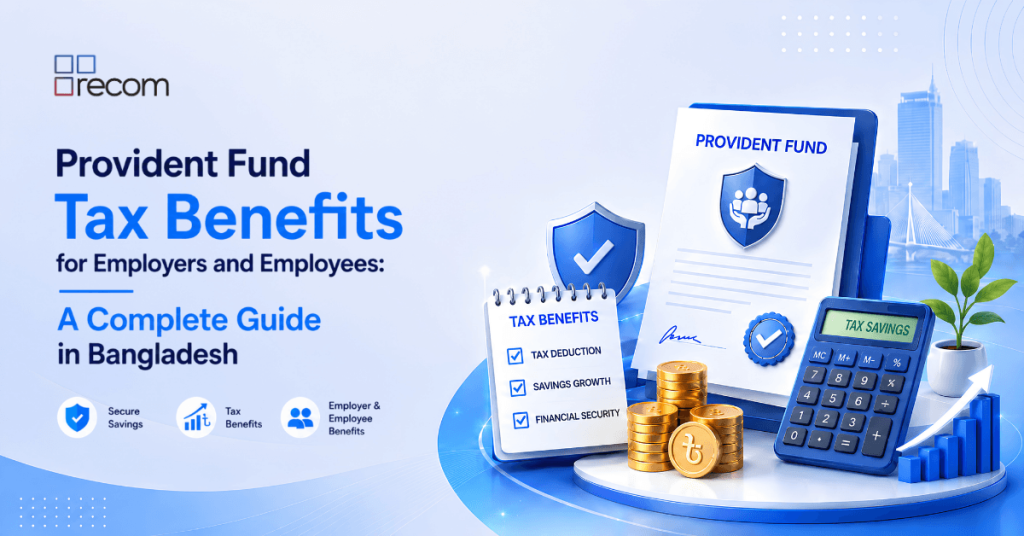
Provident Funds (PFs) are among the most valuable employee benefit programs offered by organizations in Bangladesh. Beyond helping employees build long-term retirement savings, Provident Funds also provide significant tax advantages for both employers and employees. These tax incentives encourage participation, promote financial security, and strengthen employer-employee relationships.
Understanding Provident Fund Tax Benefits for Employers and Employees is essential for HR professionals, business owners, finance managers, trustees, and employees who want to maximize the value of retirement savings while remaining compliant with tax regulations.
A properly structured and recognized Provident Fund can reduce tax liabilities, improve employee retention, and create a more attractive compensation package. This guide explains the tax benefits, legal considerations, compliance requirements, and best practices associated with Provident Funds in Bangladesh.
What Is a Provident Fund?
A Provident Fund is a long-term retirement savings scheme in which employees contribute a portion of their salary every month, and employers typically make matching contributions.
The accumulated fund consists of:
- Employee contributions
- Employer contributions
- Investment earnings
- Interest credited to member accounts
Employees generally receive the accumulated balance upon retirement, resignation, disability, or other qualifying events.
Provident Funds encourage disciplined savings and provide financial security after employment.
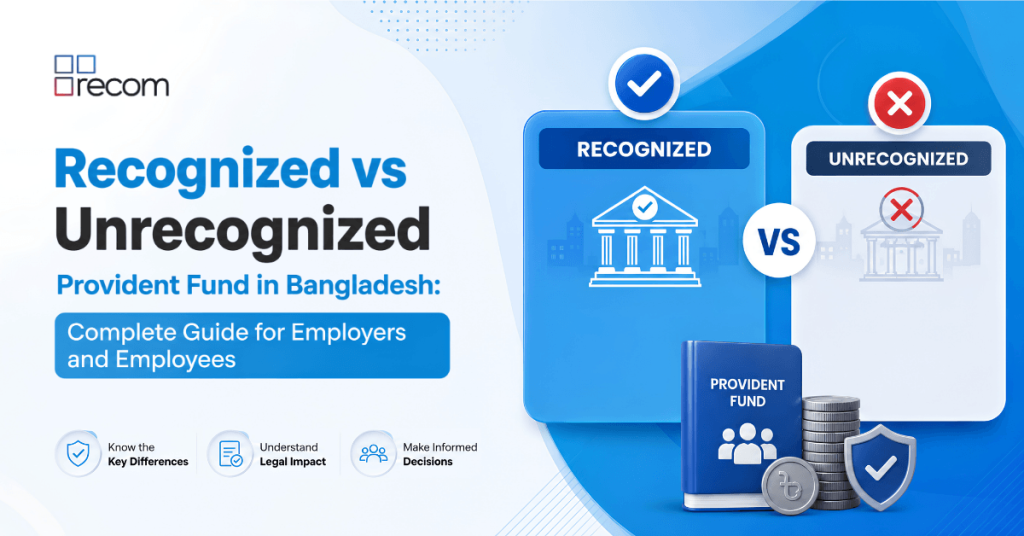
Understanding Recognized Provident Funds
Tax benefits are generally associated with a Recognized Provident Fund (RPF).
A recognized fund is one that has received approval from the relevant tax authority and complies with prescribed regulations.
Benefits of recognition include:
- Tax-efficient contributions
- Favorable treatment of investment earnings
- Enhanced retirement benefits
- Greater employee confidence
- Improved compliance standing
Organizations seeking maximum tax advantages should generally establish recognized Provident Funds.
Why Provident Fund Tax Benefits Matter
Tax benefits increase the overall value of employee compensation without necessarily increasing salary costs.
For employees, tax incentives mean:
- Lower taxable income
- Greater retirement savings
- Higher net wealth accumulation
For employers, tax benefits can:
- Reduce business tax liabilities
- Improve workforce retention
- Enhance employer branding
- Support employee welfare initiatives
These advantages make Provident Funds one of the most effective long-term employee benefit programs.
Provident Fund Tax Benefits for Employees
Employees are often the primary beneficiaries of Provident Fund tax incentives.
1. Tax Benefits on Employee Contributions
Contributions made by employees to a recognized Provident Fund may qualify for tax-related benefits under applicable tax regulations.
These benefits help employees:
- Reduce taxable income
- Increase retirement savings
- Encourage long-term financial planning
Tax savings can significantly improve overall financial outcomes over time.
2. Tax-Efficient Wealth Accumulation
Provident Funds promote consistent savings through automatic payroll deductions.
Employees benefit from:
- Monthly contributions
- Employer matching contributions
- Compounded investment growth
This structure helps employees accumulate substantial retirement assets.
3. Favorable Tax Treatment on Interest Earnings
Investment returns earned within recognized Provident Funds often receive more favorable tax treatment than ordinary savings accounts.
Advantages include:
- Accelerated wealth growth
- Reduced tax leakage
- Improved retirement outcomes
Long-term compounding can dramatically increase accumulated balances.
4. Potential Tax Benefits on Withdrawals
Under qualifying conditions, employees may enjoy favorable tax treatment when receiving Provident Fund balances.
This is particularly important during:
- Retirement
- Resignation after qualifying service
- Permanent disability
- Death benefit settlements
Proper compliance with fund rules is essential.
5. Enhanced Retirement Security
While not a direct tax benefit, tax-efficient savings help employees build larger retirement funds.
This creates:
- Financial independence
- Reduced retirement stress
- Better post-employment stability
Retirement planning becomes significantly more effective.
Provident Fund Tax Benefits for Employers
Employers also enjoy important advantages when maintaining a recognized Provident Fund.
1. Tax-Deductible Employer Contributions
Employer contributions to a recognized Provident Fund may qualify as legitimate business expenses, subject to applicable regulations.
Benefits include:
- Reduced taxable profits
- Lower corporate tax burden
- Improved financial planning
Organizations should maintain proper records to support deductions.
2. Improved Employee Retention
Tax-efficient retirement benefits encourage employees to remain with the organization.
Long-term retention reduces:
- Recruitment costs
- Training expenses
- Productivity losses associated with turnover
Employee loyalty often increases significantly.
3. Enhanced Employer Branding
Companies offering recognized Provident Funds are viewed as responsible employers.
This helps:
- Attract skilled professionals
- Improve corporate reputation
- Strengthen workforce stability
Competitive benefit packages are increasingly important in today’s labor market.
4. Better Employee Engagement
Employees who feel financially secure are often more engaged at work.
Benefits include:
- Increased productivity
- Higher morale
- Greater commitment
- Improved workplace culture
The positive effects extend beyond financial considerations.
5. Compliance and Risk Reduction
Recognized Provident Funds encourage proper governance and documentation.
This helps employers:
- Meet regulatory obligations
- Reduce legal risks
- Improve transparency
- Strengthen internal controls
Good compliance practices support long-term organizational success.
How Tax Benefits Increase Retirement Wealth
Tax advantages significantly improve long-term retirement outcomes.
Consider an employee who contributes regularly over twenty years.
The accumulated balance benefits from:
- Employee contributions
- Employer contributions
- Investment growth
- Tax-efficient accumulation
The combined effect can substantially increase retirement savings compared to ordinary savings methods.
This is one of the primary reasons Provident Funds remain popular worldwide.
Conditions for Receiving Provident Fund Tax Benefits
Tax benefits are generally subject to compliance requirements.
Organizations should ensure:
Fund Recognition
The Provident Fund should be properly recognized by the relevant authority.
Accurate Documentation
Records should include:
- Contribution history
- Trustee decisions
- Financial statements
- Employee account balances
Compliance with Fund Rules
All operations should follow approved rules and trust provisions.
Proper Governance
Trustees must fulfill fiduciary responsibilities.
Failure to meet these requirements may affect tax eligibility.
Role of Trustees in Maintaining Tax Benefits
Trustees play a crucial role in protecting tax advantages.
Their responsibilities include:
Managing Contributions
Ensuring timely collection and allocation of funds.
Maintaining Records
Keeping accurate financial and administrative records.
Monitoring Investments
Ensuring investments comply with approved policies.
Preparing Reports
Producing annual financial statements and member reports.
Strong governance supports continued recognition and tax efficiency.
Common Mistakes That Can Affect Tax Benefits
Organizations should avoid several common errors.
Incomplete Documentation
Missing records can create compliance issues.
Improper Fund Administration
Failure to follow approved rules may jeopardize recognition.
Delayed Contributions
Late payments can affect employee confidence and compliance.
Weak Governance Practices
Poor oversight may expose the fund to legal and financial risks.
Ignoring Regulatory Updates
Tax regulations can change, making regular reviews essential.
Proactive management helps preserve available benefits.
Best Practices for Maximizing Provident Fund Tax Benefits
Employers and trustees should follow these strategies:
Seek Professional Tax Advice
Consult experienced tax professionals regularly.
Conduct Annual Compliance Reviews
Identify and address issues early.
Maintain Transparent Reporting
Provide clear information to employees.
Educate Employees
Help members understand available benefits.
Review Fund Performance
Monitor investments and administrative efficiency.
Strengthen Trustee Training
Ensure trustees understand legal and fiduciary obligations.
These practices maximize value for all stakeholders.
Comparison: Provident Fund vs Ordinary Savings
| Feature | Provident Fund | Ordinary Savings |
| Employer Contributions | Yes | No |
| Tax Benefits | Often Available | Limited |
| Retirement Focus | Strong | Moderate |
| Long-Term Growth | High | Moderate |
| Employee Retention Impact | High | None |
| Structured Savings | Yes | Optional |
This comparison highlights why Provident Funds are powerful retirement planning tools.
Frequently Asked Questions
1. What are Provident Fund tax benefits?
They are tax advantages associated with employee contributions, employer contributions, investment earnings, and eligible withdrawals from recognized Provident Funds.
2. Do employers receive tax benefits from Provident Funds?
Yes. Employer contributions may qualify for favorable tax treatment subject to applicable regulations.
3. Are employee contributions tax deductible?
Depending on prevailing tax laws and fund recognition status, employees may receive tax-related benefits on contributions.
4. Why is recognition important?
Recognition generally provides access to enhanced tax benefits and regulatory approval.
5. Can Provident Fund earnings grow tax efficiently?
Recognized Provident Funds often provide favorable treatment for investment earnings.
6. Do tax benefits improve retirement savings?
Yes. Reduced tax burdens and compounded growth can significantly increase retirement wealth.
7. Who manages Provident Fund tax compliance?
Trustees, employers, finance teams, auditors, and tax professionals all play important roles.
8. What happens if a Provident Fund loses recognition?
Tax advantages may be reduced or lost, depending on applicable regulations.
Conclusion
Understanding Provident Fund Tax Benefits for Employers and Employees is essential for maximizing the value of retirement savings programs in Bangladesh. A properly managed and recognized Provident Fund provides substantial advantages, including tax-efficient savings, employer contribution benefits, improved employee retention, stronger financial security, and enhanced organizational reputation.
For employees, Provident Funds offer a disciplined pathway toward long-term wealth accumulation and retirement readiness. For employers, they represent a strategic investment in workforce stability, engagement, and compliance.
Organizations that establish well-governed Provident Funds and maintain proper documentation are better positioned to deliver lasting value to employees while benefiting from available tax incentives. As workplace expectations continue to evolve, Provident Funds remain one of the most effective tools for promoting financial well-being and organizational success.