Establishing a Provident Fund (PF) Trust is one of the most effective ways for employers in Bangladesh to provide long-term financial security to employees. A recognized Provident Fund Trust not only enhances employee benefits but also offers tax advantages and strengthens organizational credibility.
Many organizations engage professional Provident Fund Management Services to ensure proper administration, compliance, and long-term sustainability of their employee benefit programs.
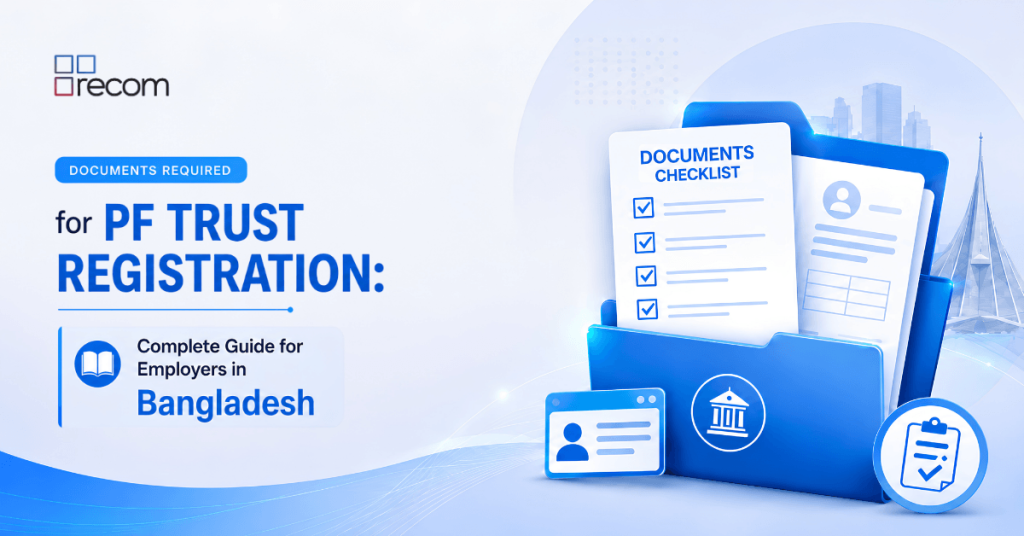
However, one of the most common challenges employers face is understanding the documents required for PF Trust Registration. Incomplete or inaccurate documentation can delay approval and recognition by the relevant authorities.
This comprehensive guide explains all the essential documents, their purpose, and best practices for preparing a successful PF Trust registration application.
Why Proper Documentation Matters for PF Trust Registration
The registration and recognition process requires employers to demonstrate that the Provident Fund is legally established, properly governed, and compliant with applicable laws.
Accurate documentation helps:
- Ensure regulatory compliance
- Accelerate approval processes
- Reduce legal risks
- Establish transparency
- Protect employee interests
- Facilitate tax recognition
Without proper documentation, authorities may reject or delay the application.
Overview of PF Trust Registration Process
Before discussing the required documents, employers should understand How to Create a Provident Fund Trust in Bangladesh and the legal framework governing its establishment.
The process generally involves:
- Management approval
- Drafting PF rules
- Establishing the trust
- Appointing trustees
- Preparing supporting documents
- Applying for recognition
- Obtaining regulatory approval
Each stage requires specific documentation.
1. Board Resolution Approving the Provident Fund
One of the first documents required is a formal Board Resolution.
Purpose
The resolution confirms that the organization’s management has approved:
- Establishment of the PF Trust
- Employer contribution rates
- Trustee appointments
- PF Rules and Regulations
Key Information Included
- Date of board meeting
- Resolution number
- Approval details
- Authorized signatories
This document serves as the foundation of the PF Trust.
2. Trust Deed
The Trust Deed is the most important legal document in the registration process.
Purpose
The deed legally establishes the Provident Fund Trust and defines how it will operate.
Information Typically Included
- Name of the Trust
- Objectives of the Fund
- Trustee powers
- Governance structure
- Membership provisions
- Fund management procedures
- Investment authority
Organizations may refer to this Sample Provident Fund Trust Deed to understand standard clauses and trustee responsibilities before drafting their own deed.
A professionally drafted Trust Deed significantly improves the likelihood of approval.
3. Provident Fund Rules and Regulations
The PF Rules document provides operational guidelines for managing the fund.
Organizations should ensure compliance with the latest Provident Fund Rules & Regulations in Bangladesh before submitting an application.
Key Components
- Employee eligibility criteria
- Contribution rates
- Vesting periods
- Withdrawal conditions
- Retirement benefits
- Death benefits
- Trustee responsibilities
Authorities carefully review these rules to ensure fairness and compliance.
4. List of Trustees
Every Provident Fund Trust must appoint trustees responsible for fund administration.
Required Information
- Trustee names
- Designations
- National ID details
- Contact information
- Appointment dates
Most organizations appoint both employer and employee representatives to promote transparency.
5. Consent Letters from Trustees
Each trustee should provide written consent confirming willingness to serve.
Purpose
The consent letter demonstrates:
- Acceptance of trustee responsibilities
- Understanding of fiduciary duties
- Agreement to comply with trust rules
This document is often overlooked but is critical during registration.
6. Certificate of Incorporation
The company must provide proof of legal existence.
Applicable Documents
- Certificate of Incorporation
- Registration Certificate
- Trade License (where applicable)
These documents confirm the organization’s legal status.
7. Memorandum and Articles of Association
For limited companies, authorities often request:
Memorandum of Association (MOA)
Defines:
- Company objectives
- Authorized activities
Articles of Association (AOA)
Defines:
- Governance structure
- Internal management procedures
These documents help authorities understand the organization’s legal framework.
8. Employee List Eligible for PF Membership
A detailed employee list is generally required.
| Information | Details |
|---|---|
| Employee Name | Full Name |
| Employee ID | Internal Identification |
| Designation | Job Title |
| Joining Date | Employment Start Date |
| Salary Information | Basic Salary |
| PF Eligibility Status | Eligible / Non-Eligible |
This list helps determine the scope of the fund.
9. Employer Identification and Tax Documents
Authorities may require tax-related records.
Common Documents
- Tax Identification Number (TIN)
- BIN Certificate (if applicable)
- Income Tax Records
- Tax Clearance Certificate
These documents support tax recognition applications.
10. Audited Financial Statements
Financial statements demonstrate the employer’s ability to support the Provident Fund.
Typically Required
- Balance Sheet
- Profit and Loss Statement
- Cash Flow Statement
- Auditor’s Report
Most authorities prefer statements from recent fiscal years.
11. Specimen Signatures of Trustees
Authorized signatories must provide specimen signatures.
Purpose
These signatures are used for:
- Bank account operations
- Trust administration
- Official correspondence
Proper verification helps prevent fraud.
12. Bank Account Documentation
A separate PF Trust bank account should be maintained.
Required Documents
- Bank account opening confirmation
- Authorized signatory details
- Account operating instructions
Fund assets should always remain separate from company funds.
13. Employer Contribution Policy
The organization should clearly document contribution arrangements.
Contents
- Employee contribution percentage
- Employer contribution percentage
- Contribution deadlines
- Payroll deduction procedures
Consistency in contributions is crucial for compliance.
14. Application for Recognition
Organizations seeking tax benefits must submit a formal recognition application.
Supporting Documents
- Trust Deed
- PF Rules
- Trustee information
- Employee list
- Company documents
Employers may also review this EPF Registration for Employers Guide for additional insights into provident fund registration procedures.
Incomplete applications often result in delays.
15. Compliance Declaration
Many authorities require a declaration confirming compliance with applicable laws and regulations.
Purpose
The declaration confirms:
- Accuracy of submitted information
- Compliance with legal requirements
- Commitment to proper fund management
Common Mistakes During PF Trust Registration
Many organizations encounter avoidable delays due to:
Incomplete Trust Deeds
Missing clauses frequently trigger revision requests.
Incorrect Employee Data
Employee records should be accurate and updated.
Lack of Trustee Documentation
Missing consent letters can delay processing.
Inconsistent PF Rules
Rules should align with labor laws and tax requirements.
Improper Record Keeping
All supporting documents should be organized and readily available.
Best Practices for Successful PF Trust Registration
To improve approval chances:
Engage Legal Professionals
Experienced legal advisors can draft compliant documents.
Consult Tax Experts
Tax professionals can help secure recognition and maximize benefits.
Conduct Internal Reviews
Review all documentation before submission.
Maintain Accurate Records
Keep copies of every document and correspondence.
Consider Professional Fund Administration
Many employers are discovering why Bangladeshi Companies Should Outsource Provident Fund Management to improve governance, transparency, and regulatory compliance.
Provide Employee Awareness Programs
Educate employees about PF benefits and participation requirements.
Frequently Asked Questions
1. What is the most important document for PF Trust registration?
The Trust Deed is generally considered the most important document because it legally establishes the Provident Fund Trust.
2. Is a Board Resolution mandatory?
Yes. It provides formal approval from management to establish the Provident Fund.
3. Why are trustee consent letters required?
They confirm that trustees accept their responsibilities and fiduciary obligations.
4. Are audited financial statements necessary?
In many cases, yes. They demonstrate the employer’s financial capability to support the fund.
5. Can a PF Trust operate without recognition?
A PF Trust may operate, but recognition is often necessary to obtain significant tax benefits.
6. How long does PF Trust registration take?
Processing times vary depending on document completeness and regulatory review procedures.
Conclusion
Understanding the documents required for PF Trust Registration is essential for employers seeking to establish a legally compliant and tax-efficient provident fund scheme. Proper preparation of trust deeds, PF rules, trustee documentation, company records, employee information, and financial statements significantly improves the likelihood of successful registration.
A well-structured Provident Fund Trust not only supports employee financial security but also enhances organizational credibility, employee retention, and long-term workforce stability. By following documentation best practices and seeking professional guidance when necessary, employers can create a strong foundation for a successful Provident Fund program.
Organizations seeking expert support can leverage Provident Fund Management Services to ensure ongoing compliance, efficient administration, and sustainable fund governance.