Behind every successful organization, there is a strong people function working quietly to keep the business moving.
HR is not only about hiring employees, maintaining files, or processing attendance. Today, Human Resources plays a much bigger role in shaping workplace culture, supporting employee wellbeing, ensuring compliance, improving payroll accuracy, and helping businesses grow in a structured way.
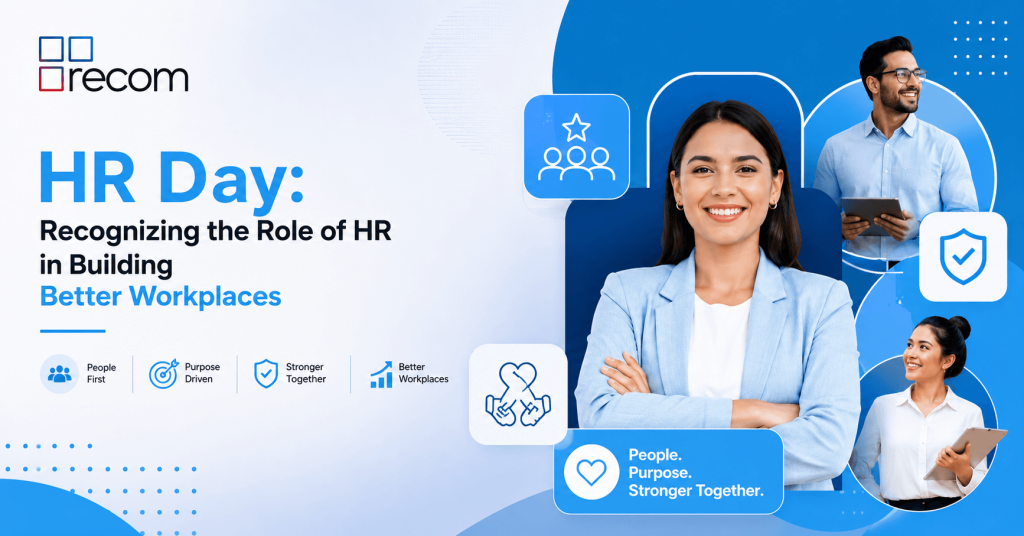
HR Day is a reminder to recognize the contribution of HR professionals who support both people and business operations every day.
For modern organizations, especially growing companies in Bangladesh, HR has become a strategic function that connects people, process, compliance, and performance.
What Is HR Day?
HR Day is a day dedicated to appreciating the contributions of HR professionals in organizations. It recognizes the role of Human Resources in managing people, supporting employees, building workplace culture, and helping businesses operate more effectively.
HR professionals work across many important areas, including recruitment, onboarding, payroll coordination, employee engagement, compliance, performance management, documentation, policy development, and leadership support.
In simple terms, HR helps organizations manage people better.
Why HR Day Matters for Modern Businesses
HR Day matters because it highlights the value of people management in business success.
Every organization depends on its people. But people need proper systems, fair policies, timely payroll, clear communication, and a compliant workplace environment. This is where HR becomes essential.
A strong HR function helps businesses:
| Area | Business Value |
|---|---|
| Recruitment | Helps hire the right talent |
| Payroll Coordination | Supports accurate and timely salary processing |
| Compliance | Reduces legal and operational risks |
| Employee Engagement | Improves motivation and retention |
| Workplace Culture | Builds trust and professionalism |
| Documentation | Supports audit readiness and transparency |
| Performance Management | Aligns employee output with business goals |
When HR works effectively, employees feel supported and businesses operate with more confidence.
The Changing Role of HR in Today’s Workplace
The role strategic role of HR has changed significantly over the years.
Previously, HR was mostly seen as an administrative department. Today, HR is a strategic business partner. It supports leadership, improves employee experience, manages workforce challenges, and helps organizations adapt to change.
Modern HR teams are expected to handle:
| Traditional HR Role | Modern HR Role |
|---|---|
| Employee file management | Employee experience management |
| Attendance tracking | Workforce productivity planning |
| Manual payroll support | Payroll accuracy and compliance coordination |
| Hiring support | Talent strategy and employer branding |
| Policy circulation | Culture and compliance leadership |
| Basic reporting | Data-driven HR decision-making |
This shift shows that HR is no longer only a support function. It is a key part of business growth.
How HR Supports People, Culture, and Business Growth
HR connects employees with the organization’s goals. A well-structured HR function helps employees understand their roles, follow clear policies, receive fair treatment, and grow within the company.
HR supports business growth by improving:
| HR Contribution | Impact on Business |
|---|---|
| Better hiring | Reduces wrong recruitment decisions |
| Clear onboarding | Helps new employees become productive faster |
| Fair policies | Reduces confusion and conflict |
| Employee engagement | Improves retention |
| Training and development | Builds future-ready skills |
| Performance review | Improves accountability |
| Payroll and benefits support | Builds employee trust |
A business can only grow sustainably when its people systems are strong.
How Strong HR Systems Support Business Compliance
For growing businesses in Bangladesh, HR is closely connected with payroll accuracy, employee benefit management, documentation, and workplace compliance. A structured HR function helps companies reduce manual errors, maintain proper employee records, and improve operational efficiency.
This is where professional support such as Payroll Management Services in Bangladesh, Provident Fund Services in Bangladesh, and HR Consultancy Services in Bangladesh can help organizations manage people-related operations more confidently.
Strong HR systems also support broader business functions such as Compliance Consulting Services and BPO Services in Bangladesh, especially for companies that want to reduce internal workload and improve process accuracy.
When HR, payroll, PF, and compliance work together, businesses can create a more reliable, transparent, and future-ready workplace
HR, Payroll, and Compliance: Why They Are Connected
HR, payroll, and compliance are closely linked. If one area is weak, the entire employee management process can be affected.
For example:
| Issue | Possible Risk |
|---|---|
| Incorrect attendance data | Salary calculation errors |
| Missing employee documents | Audit and compliance issues |
| Weak approval workflow | Payroll delays |
| Unclear leave policy | Employee dissatisfaction |
| Poor PF administration | Employee benefit mismanagement |
| Manual salary processing | Higher risk of mistakes |
This is why companies need structured HR processes that connect employee records, attendance, payroll, tax deductions, benefits, and compliance requirements.
For businesses in Bangladesh, this is especially important because payroll, provident fund, tax, labor law, and employee documentation require careful management.
Why Businesses in Bangladesh Need Strong HR Systems
Many companies in Bangladesh are growing quickly, but their HR systems often remain manual or unstructured. This can create operational pressure and compliance risk.For businesses in Bangladesh, strong HR systems are not only important for payroll accuracy and employee documentation — they also support decent work and labour standards by helping organizations maintain fair policies, proper records, transparent salary practices, and compliant workplace processes.
Common challenges include:
| Common Challenge | Business Impact |
|---|---|
| Manual payroll process | Salary errors and delays |
| Scattered employee data | Difficult reporting and tracking |
| Weak compliance documentation | Legal and audit risk |
| No structured approval flow | Operational confusion |
| Poor employee records | Difficulty during audits or inspections |
| Limited HR reporting | Weak management decisions |
| Informal HR practices | Employee dissatisfaction |
A strong HR system helps businesses become more professional, organized, and compliant.
It also helps management make better decisions based on accurate employee and payroll data.
How Companies Can Celebrate HR Day Meaningfully
HR Day should not only be about appreciation posts or one-day celebration. It can also be used as an opportunity to review how effectively the organization manages its people.
Companies can celebrate HR Day by:
| Activity | Purpose |
|---|---|
| Appreciating HR team members | Recognizes their contribution |
| Reviewing HR policies | Improves clarity and compliance |
| Conducting employee feedback | Identifies workplace gaps |
| Improving payroll processes | Reduces errors and delays |
| Arranging HR knowledge sessions | Builds internal awareness |
| Recognizing people managers | Encourages better leadership |
| Investing in HR technology | Improves efficiency and reporting |
The best way to celebrate HR Day is to strengthen the systems that support employees every day.
ReCom’s Perspective on HR, Payroll, and Compliance
At ReCom Consulting Ltd., we believe that HR is more than an administrative function. It is a foundation for business stability, employee trust, and compliance.
A well-managed HR function helps organizations reduce risk, improve payroll accuracy, maintain proper documentation, and create a more structured workplace.
Through payroll management, provident fund administration, HR consultancy, compliance support, and business process outsourcing, ReCom supports companies in building stronger people operations.
Because when HR is structured, the business becomes stronger.
Conclusion
HR Day is a reminder that people are the heart of every organization.
Behind every compliant process, accurate payroll, engaged employee, and strong workplace culture, HR plays an important role.
For businesses in Bangladesh, investing in structured HR, payroll, and compliance systems is essential for sustainable growth. HR professionals are not only managing people-related tasks — they are helping organizations become more resilient, professional, and future-ready.
A better workplace starts with better HR.
FAQs About HR Day
What is HR Day?
HR Day is a recognition day that celebrates the contribution of Human Resources professionals in building better workplaces and supporting business success.
Why is HR Day important?
HR Day is important because it highlights the role of HR in people management, employee experience, compliance, payroll coordination, workplace culture, and organizational growth.
What is the role of HR in a modern workplace?
The role of HR is to manage employees, support recruitment, maintain employee records, coordinate payroll, ensure compliance, improve workplace culture, and help businesses achieve their goals.
How does HR support business growth?
HR supports business growth by helping companies hire the right people, retain employees, improve productivity, reduce compliance risks, and build structured workplace systems.
Why is HR compliance important in Bangladesh?
HR compliance is important in Bangladesh because businesses need to manage employee records, payroll, tax deductions, provident fund processes, labor law requirements, and statutory documentation properly.
How can companies celebrate HR Day?
Companies can celebrate HR Day by appreciating HR teams, reviewing HR policies, improving payroll systems, collecting employee feedback, arranging HR knowledge sessions, and investing in better HR processes.